Impossible List - 15 March
How far I've come over the course of the last month in regards to the impossible list of goals I've set for myself.

I started writing the second draft of my novel about three months ago, and I'm absolutely rubbish at it.
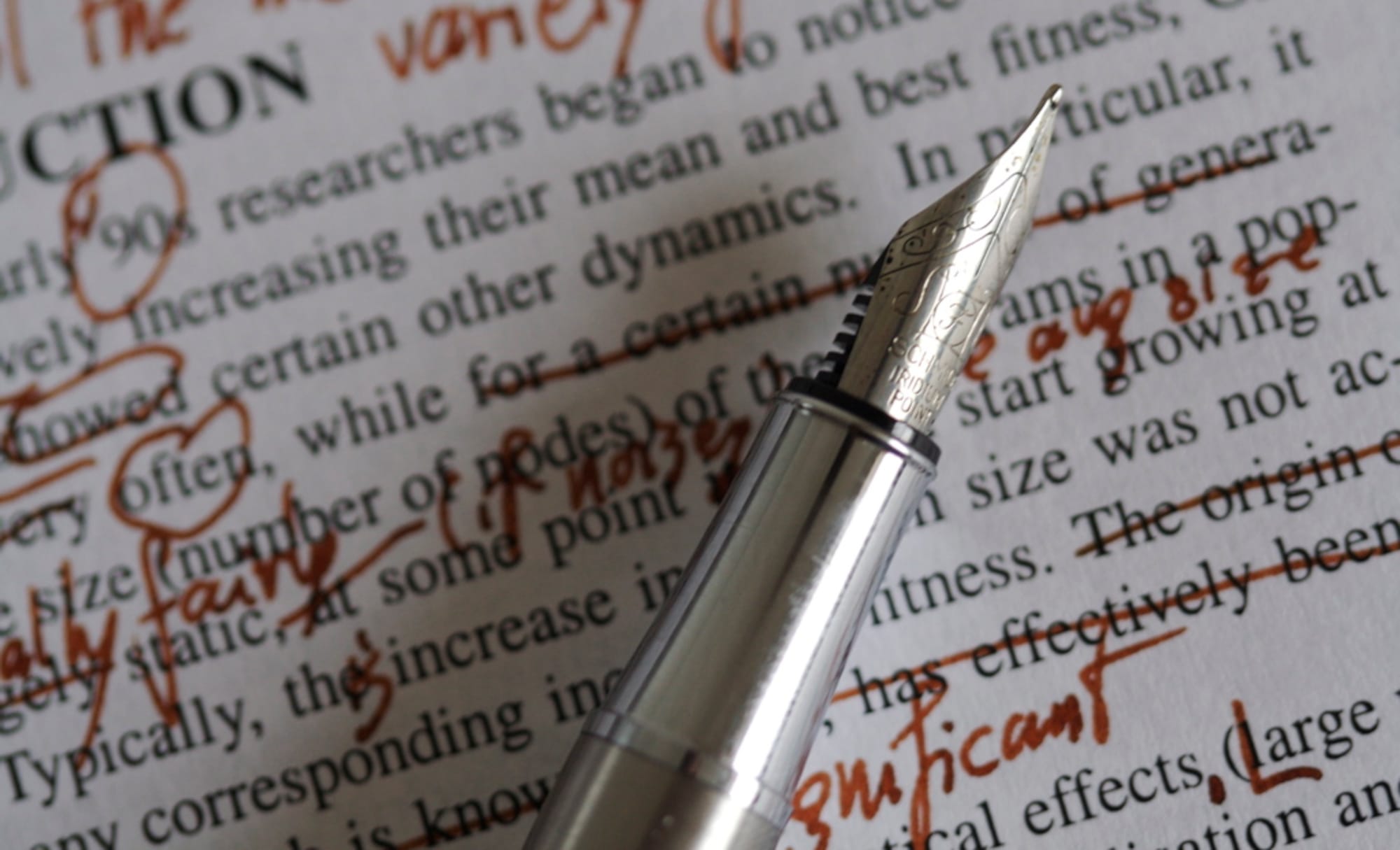
I started writing the second draft of my novel about three months ago, and I'm absolutely rubbish at it.
Not "oh, I'm being modest" rubbish. Genuinely, objectively terrible. My adjectives are cliche. I look at a sentence and it seems to be a quote from a movie. My characters don't have any real agency. It's painful for everyone involved, particularly my friends I have read my manuscript.
And here's the weird thing: I'm absolutely loving it.
When did we all become so afraid of being bad at things? Somewhere between childhood and adulthood, most of us develop this bizarre expectation that we should be decent at something immediately, or it's not worth doing. We watch YouTube tutorials and think "right, I'll have mastered this by Thursday." When reality hits and we're still fumbling around like idiots after a few weeks, we get discouraged and quit.
I think it's partly the internet's fault. We're constantly exposed to people who are brilliant at things, professionals, experts, people who've been doing their craft for decades. We see the polished end result and forget about the thousands of hours of being absolutely dreadful that came before it. Everyone's highlight reel, nobody's blooper reel.
But here's what I'm learning from being terrible at writing: there's something quite freeing about admitting you're rubbish and just getting on with it anyway.
I run ultras, right? People sometimes act like that makes me good at endurance or discipline or whatever. But I wasn't good at running when I started. I was wheezing after ten minutes, getting stitches, wearing completely the wrong shoes. I was terrible. The only difference between then and now is that I kept being terrible for long enough that I eventually became slightly less terrible.
That's how literally everything works, and we all know this intellectually. But knowing it and actually being comfortable with it are two very different things.
There's something humbling about being a complete beginner at something when you're an adult. You're used to being competent in your daily life. You've got your job figured out, you know how to navigate the world, you've developed skills and expertise in certain areas. Then you pick up a guitar, or try to speak French, or attempt pottery, and suddenly you're back to square one. Bumbling. Fumbling. Making mistakes that seem obvious in hindsight.
It's uncomfortable. Your ego doesn't like it much.
But I reckon that discomfort is actually quite healthy. It reminds you that competence isn't a birthright, it's earned through the deeply unsexy process of repeated failure. It keeps you humble. It gives you empathy for other people who are learning things. And honestly, it makes you realise that most people are too worried about their own stuff to care whether you use split infinitives.
My friend, who's far too patient for his own good, said something interesting the other day. He said the writers who progress fastest aren't necessarily the most naturally talented ones. They're the ones who are comfortable sounding dreadful for the longest period of time. The ones who don't get embarrassed or frustrated or give up when things sound awful.
They're the ones who've mastered the art of being terrible.
So yeah, I'm rubbish at writing. But I'm showing up. I'm being terrible with commitment and enthusiasm. And maybe in a year or two, I'll be only moderately bad.
That'll be progress worth celebrating.